The short answer
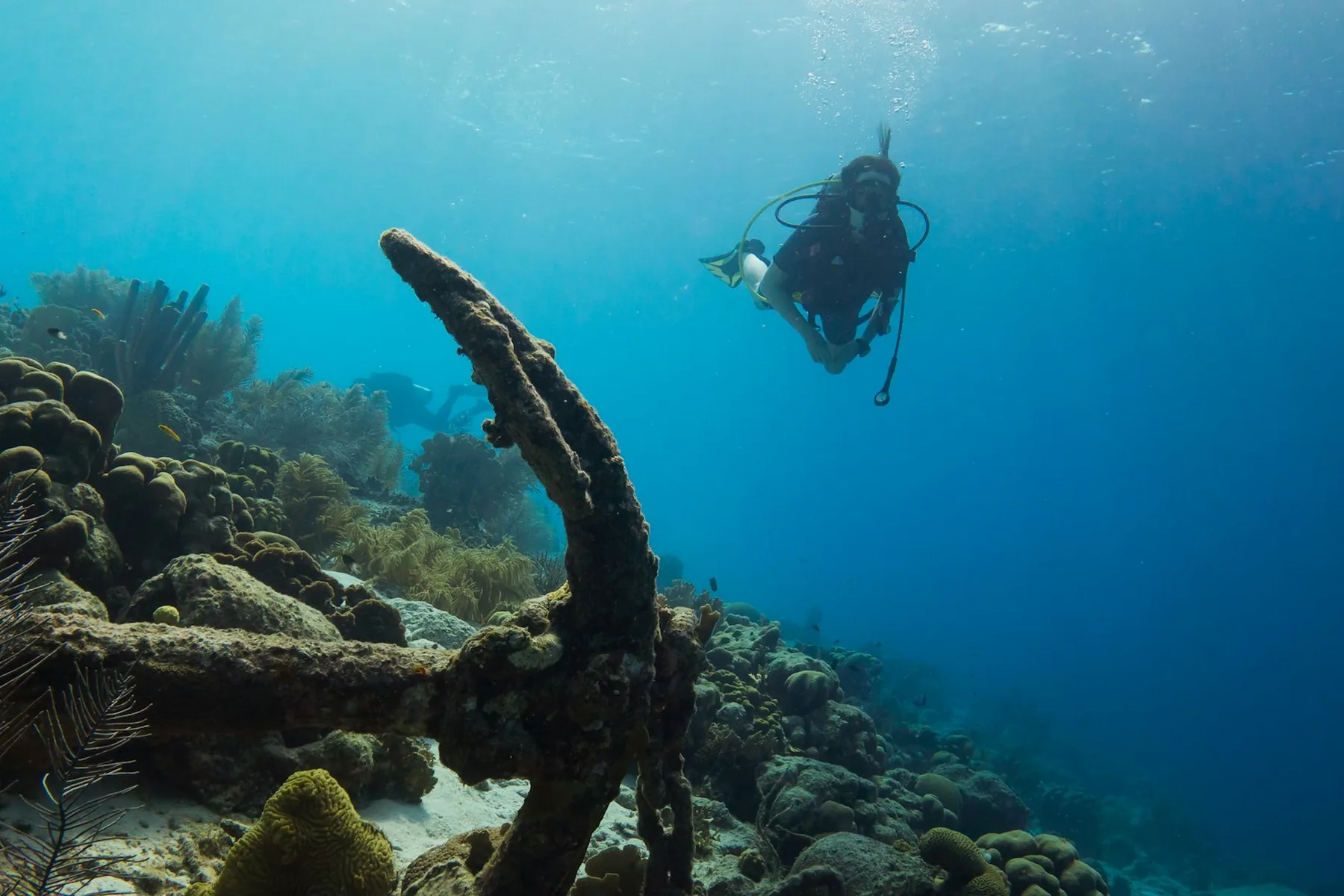
A mixed diving and non-diving trip works best when the non-diver has plans they genuinely want, rather than waiting for the boat to return. Agree how much time to spend together and how transport will work. Pick the accommodation around both routines, not only its dive package.
Describe two good mornings
Ask each person what they would choose if travelling alone. The diver may want an early start; the other traveller may prefer breakfast out, photography, a watersport lesson or a slow morning. Bonaire's tourism board lists nature, sightseeing and water activities alongside diving. Use those categories to identify actual interests, then confirm current availability with the provider. Non-diving does not have to mean snorkelling if being in the water is not the attraction.
Check the base from both perspectives
For the diver, ask about the dive operation, equipment arrangements and meeting point. For the non-diver, map the route to food, shade and planned activities. A property can be ideal for loading tanks but awkward for a person left without transport. Before buying a package, compare what each person pays and uses. Ask whether a non-diving rate or separate activity booking is available rather than assuming an equal package has equal value.
Give the shared car a schedule
If one person takes the car to a shore dive, the other needs a realistic alternative. Agree drop-offs, pickup times or days with separate transport in advance. Include how equipment affects luggage space. When comparing two rentals with occasional transfers, use current quotes and actual journeys. Avoid scheduling a non-refundable activity around an uncertain return from another excursion. Independent plans should reduce waiting, not create a new race across the island.
Related guide: Where to stay on Bonaire: Kralendijk, Belnem or Hato?
Plan a shared day that is not an afterthought
Choose at least one outing together. Possible interests include the waterfront, a cultural visit or a nature day, depending on what you both enjoy. For Washington Slagbaai National Park, check STINAPA's current access, vehicle and activity rules before arranging the day; the official guidance says to bring your own food and drinks. Do not assume a car approved for ordinary road use is also suitable and permitted for the park.
Keep the water questions separate
A non-diver who wants to snorkel still needs an appropriate site, conditions and supervision for their ability. Check current nature-fee requirements and exemptions with STINAPA rather than assuming a non-diving holiday avoids them. For the diver's final dives, flying or other activities after diving, follow advice from the dive professional and relevant medical guidance; do not improvise a timetable from this article. Keep the flight day visible when agreeing the plan.
Try a balanced outline
- Arrival: settle in and confirm each provider's arrangements.
- Separate mornings: each person follows a chosen activity, with a realistic meeting time.
- Shared time: reserve an afternoon or day that neither treats as leftover time.
- Flexible space: leave room for weather, rest or changing interests.
- Departure planning: agree the final diving schedule with the dive professional.
Before booking the package
Write down who uses each inclusion, who has transport and what happens when plans change. Ask both travellers whether they would still enjoy the base on a day when their main activity is cancelled. If the answer is yes, the accommodation is supporting the whole holiday rather than only one person's hobby.
Give the non-diver an actual booking decision
Before confirming a dive package, choose at least two activities for the person staying ashore and check how they will get there. A museum, guided nature outing, a lesson at an appropriate watersports venue or a quiet beach setup can all work, but only if they match that person's interests. The choice should be theirs, rather than whatever happens to be left in the schedule.
A good shared day need not involve water. Consider a guided cultural outing or a park visit with a route suitable for everyone. Put it in the calendar early enough that it receives the same attention as the dive reservations.
Use one small transport agreement
Each evening, agree who has the vehicle the next morning, when the group meets and what happens if a session runs later. Save the relevant contacts and avoid relying on constant mobile messaging to coordinate the day. Clear arrangements let people enjoy separate interests without turning the holiday into a succession of pickup negotiations.
Sources & method
Sources reviewed on 11 October 2026. The references below support the factual details; trip suggestions are editorial choices. This is a desk-researched guide, not an on-site inspection. Conditions and provider terms can change.
Our method & corrections