The short answer
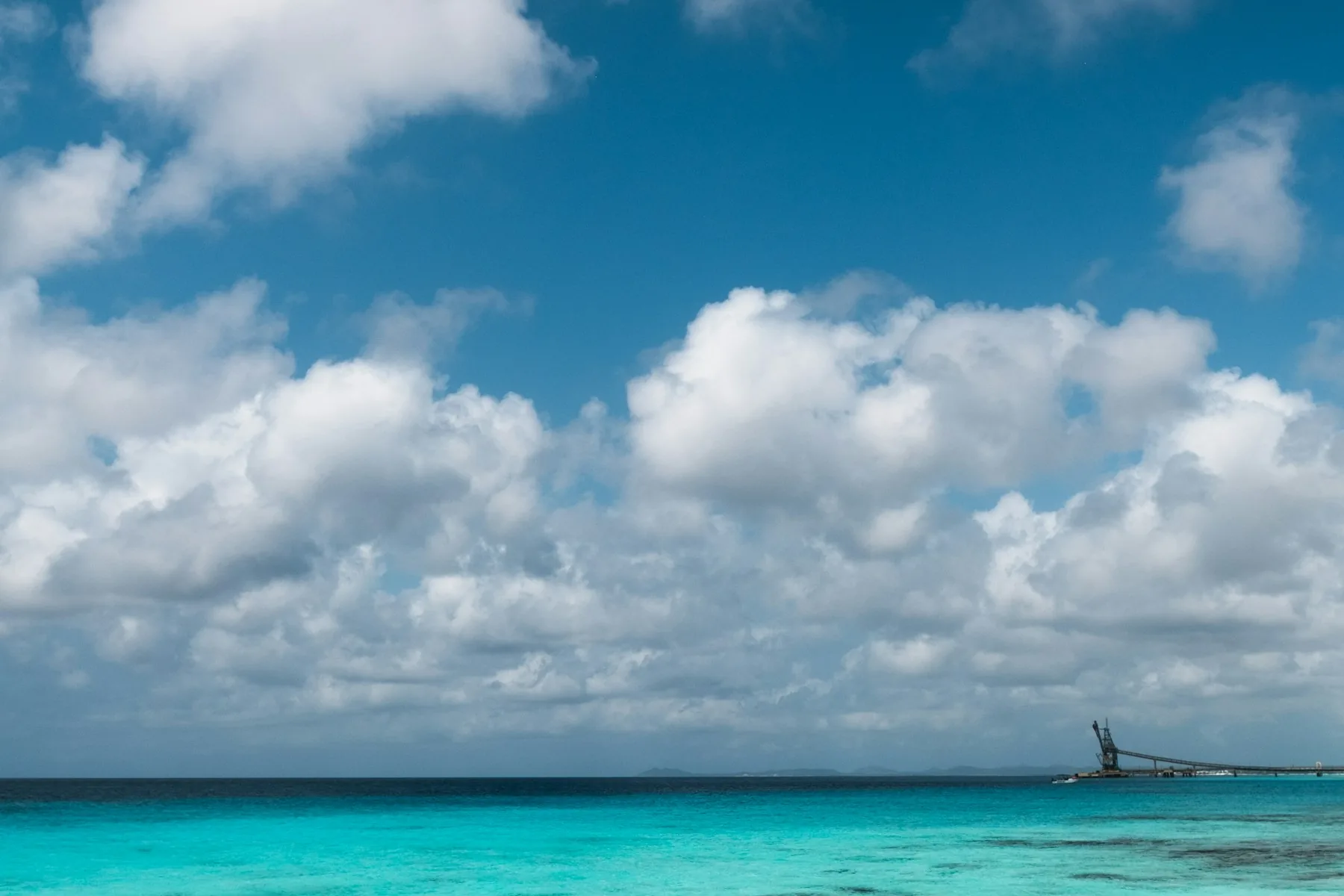
Bonaire’s wetter period is generally October–January. Its southern location reduces direct hurricane exposure compared with the northern Caribbean, but does not remove storm effects or disruption. Pick travel dates for the whole trip, then check local conditions close to each water activity.
Two calendars, two different questions
Rainfall averages help you compare months; they cannot tell you which afternoon will be wet. The Atlantic hurricane season runs from June through November. A date outside that window is not a guarantee of calm seas. Keep the month, the short-range forecast and your operator’s decision as three separate checks.
Make the boat day movable
For a first week, our suggestion is to book a weather-dependent outing before your final full day. Ask how postponements work, whether an alternative date is possible and who contacts you. Keep one land-based day uncommitted so a change does not force you to abandon another prepaid activity.
Check your actual entry point
A bright sky at breakfast is not a water-safety assessment. Ask a local operator about the specific site, entry and exit, and whether the trip suits your ability. If conditions look uncomfortable, choose a different activity. A familiar-looking shoreline is not a reason to ignore a closure or local advice.
Related guide: Bonaire visitor tax and nature fee: what to arrange before snorkelling
Include the connection in your weather plan
When comparing flights, write down every connecting airport rather than only BON. Weather elsewhere can affect a journey even when Bonaire is operating normally. Compare ticket change conditions and the practical consequences of a missed connection, especially with separately booked flights. Avoid treating a low fare as the entire cost of the trip.
Make the location part of the weather decision
A day in Kralendijk, a shore entry and a national-park route have different weather sensitivities. Choose an alternative for each important activity rather than one generic rainy-day list. A land outing might remain possible when a particular crossing changes, while heavy rain can separately affect park roads.
For a water-focused holiday, ask your operator how sites are selected and how temporary restrictions are communicated. The decision should concern the actual place and activity. A dry forecast does not provide a complete description of swell, wind, currents or access.
Plan an adjustable first half of the week
Put the principal boat outing early enough to leave another possible date. Keep at least one land day movable, and avoid tying every meal and transfer to an unchangeable excursion time. This makes ordinary operational changes easier to manage even when there is no major weather event.
For a mixed group, make the alternative enjoyable for the non-divers too. A cultural visit or a relaxed Kralendijk outing can be a planned part of the week rather than a disappointing replacement. Agree the transport before the day begins, especially when one vehicle normally serves the diving schedule.
Check connections beyond Bonaire
Look at every airport in the journey, particularly when tickets were purchased separately. A disruption elsewhere can affect the trip even when local conditions are good. Keep airline contacts, booking references and the accommodation's arrival arrangements together offline.
Before paying, understand how changes are handled for the flight, room and excursions. These are separate reservations unless your booking states otherwise. Seasonal information helps you prepare a flexible trip; near departure, use the current official forecast and direct provider updates for decisions about the actual journey.
Put it into practice
Before you book
- Leave a spare date for the water activity.
- Check local forecasts and operator messages.
- Read change conditions before paying.
Sources & method
Sources reviewed on 11 October 2026. The references below support the factual details; trip suggestions are editorial choices. This is a desk-researched guide, not an on-site inspection. Conditions and provider terms can change.
Our method & corrections