The short answer
Curaçao uses the Caribbean guilder (XCG, written Cg), introduced on 31 March 2025. The central bank fixes its value at US$1 = Cg1.79. That official peg is not a promise that your card, ATM or a business will convert at that exact all-in rate.
Old notes and old blog posts
The Netherlands Antillean guilder stopped being legal tender after 30 June 2025. An old guide quoting ANG or NAf may still give useful context, but confirm today’s currency and price with the business. If you have old cash from a previous trip, consult the central bank’s exchange information before treating it as spending money.
Read the currency before reading the number
When collecting quotes, write the currency beside every amount: room, transfer, rental car and excursion. Ask whether taxes and mandatory charges are included. Use one chosen currency for your comparison and keep a note of the rate you used. A small-looking number in one currency is not automatically a better deal.
Card payments and cash: check your actual stops
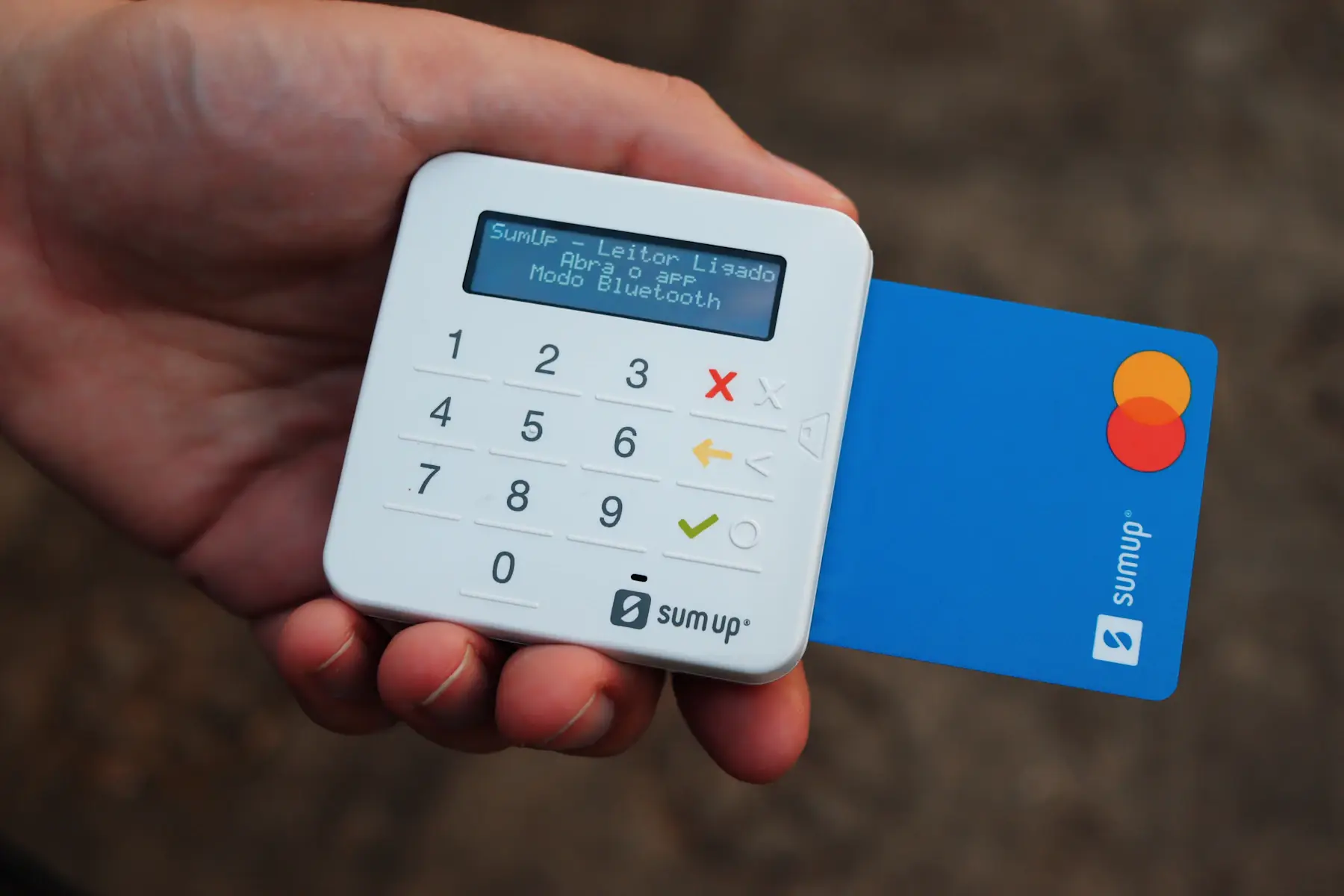
Ask your accommodation and planned beach operators which payment methods they accept. Check your bank’s overseas fees and withdrawal limits before leaving. If a terminal offers to convert a payment into your home currency, compare the displayed conversion with your card terms before accepting. Keep a second way to pay separate from the first.
Related guide: Curaçao without a rental car: compare your actual itinerary
Build a budget with room for the unglamorous bits
List the costs between the headline bookings: airport journeys, fuel, parking, beach access, loungers and groceries. Separate a refundable car deposit from money you expect to spend; it still affects how much room you need on a payment card. The transport calculator in our car guide compares your own quotes without inventing local prices.
Separate your holiday money into three groups
Prepaid costs include the flight, accommodation and any excursions already booked. Daily spending covers food, drinks, transport, parking and beach facilities. Temporary holds, such as a rental-car deposit, are a third category: they can reduce available card capacity even when they are not the final cost of the trip. Keep those categories separate when deciding what you can afford.
Create a daily spending allowance only after you have listed the prepaid items. A self-catering stay needs a grocery budget; an inclusive meal plan may still leave drinks, snacks or meals outside the property to pay for. Add the cost of the specific beaches you intend to use rather than assuming every beach day has identical expenses.
Compare a card payment with a cash withdrawal
Before travelling, check your bank's foreign-payment fee and cash-withdrawal terms. At the point of payment, read the currency shown on the terminal and any offered conversion before accepting it. A familiar home-currency amount is not proof that the conversion is good value. Keep the receipt until you can compare it with the amount charged by your bank.
For a cash withdrawal, inspect the ATM's fee and the displayed amount, then decide whether the transaction makes sense. Do not repeatedly withdraw very small amounts without checking whether a fixed fee applies each time. There is no universally correct amount of cash to bring: it depends on your actual stops and the payment methods they accept.
A practical beach-day budget
List transport in both directions, access or parking where applicable, chairs, shade, food, drinks and any equipment rental. Ask which parts are included together. A beach with an entrance charge may provide a different overall package from one with no admission charge but separate paid facilities.
Record the currency next to every price you collect. Keep a small reserve for a changed return plan, particularly if you have arranged a taxi or are travelling with children. Ask for the complete quote before agreeing to a service. This makes it easier to compare two outings and avoids confusing a low advertised starting price with the total your group will actually spend.
Put it into practice
Before you book
- Label every quote with its currency.
- Confirm overseas card fees with your bank.
- Keep the rental deposit separate in your budget.
Sources & method
Sources reviewed on 11 October 2026. The references below support the factual details; trip suggestions are editorial choices. This is a desk-researched guide, not an on-site inspection. Conditions and provider terms can change.
Our method & corrections